
The rapid electrification of heavy-duty transportation is creating new demands for EV charging infrastructure. Electric trucks, buses, and commercial fleets require much larger amounts of energy than passenger cars, making traditional DC fast charging increasingly challenging for high-utilization operations.
The Megawatt Charging System (MCS) is being developed to address this challenge. Designed specifically for heavy-duty electric vehicles, MCS enables charging at megawatt power levels, helping reduce charging time and keep commercial vehicles on the road.
But what exactly is MCS, and how does it work?
What Is the Megawatt Charging System (MCS)?
MCS stands for Megawatt Charging System, a high-power DC charging system designed primarily for medium- and heavy-duty electric vehicles.
Unlike conventional EV charging systems designed mainly for passenger cars, MCS is intended for vehicles with much larger batteries and significantly higher daily energy requirements.
Typical applications include:
- Electric trucks
- Long-haul freight vehicles
- Electric buses
- Fleet vehicles
- Mining vehicles
- Port and terminal equipment
- Construction and industrial vehicles
The MCS interface is designed to support extremely high charging power while maintaining safe and reliable communication between the vehicle and charging infrastructure.
The broader goal is to create a standardized charging ecosystem that allows heavy-duty EVs from different manufacturers to use compatible high-power charging infrastructure.
Why Do Heavy-Duty EVs Need MCS?
The battery capacity of a heavy-duty electric truck can be several times larger than that of a passenger EV.
For example, a commercial electric truck may require hundreds of kilowatt-hours of energy for a single operating cycle. Charging such a vehicle with a conventional 150 kW or 350 kW charger could result in significant downtime.
For commercial fleets, charging time directly affects:
- Vehicle utilization
- Delivery schedules
- Fleet productivity
- Infrastructure requirements
- Total cost of ownership
MCS addresses this challenge by enabling significantly higher charging power.
Instead of keeping a vehicle at a charging station for several hours, megawatt-level charging can potentially provide a substantial amount of energy during a driver's scheduled break, loading period, or shift change.
How Does MCS Charging Work?
At a high level, MCS charging follows the same basic principle as other DC fast charging systems:
Grid → Charging System → MCS Connector → Vehicle Battery
However, the electrical power, thermal management, communication, and safety requirements are considerably more demanding.
1. Power Conversion
Electricity from the grid enters the charging system and is converted into controlled DC power.
The charging system continuously adjusts voltage and current according to the requirements communicated by the vehicle.
2. Vehicle-to-Charger Communication
Before and during charging, the EV and charger exchange information about charging requirements and operating conditions.
Communication can coordinate parameters such as:
- Required voltage
- Charging current
- Battery state of charge
- Battery temperature
- Charging limits
- Safety conditions
This communication allows the charging system to dynamically control power delivery.
3. High-Power Energy Transfer
Once charging conditions are confirmed, DC power is transferred directly to the vehicle battery through the MCS connector.
At megawatt power levels, cable and connector design becomes particularly important because extremely high currents generate significant heat.
4. Thermal Management
MCS systems require advanced thermal management to handle high current safely.
Liquid-cooled charging cables can help remove heat generated during high-power charging while keeping the cable manageable for operators.
5. Dynamic Power Control
A modern MCS charging station can dynamically allocate available power according to vehicle demand.
For example, a charging system with 1.2 MW of available capacity could distribute power between multiple charging dispensers instead of providing a fixed output to each vehicle.
This makes the infrastructure more flexible for fleet depots and high-utilization charging hubs.
What Are the Key Features of MCS?
Several technologies distinguish MCS from conventional EV charging systems.
Megawatt-Level Charging Power
MCS is designed for charging power at the megawatt level, making it suitable for vehicles with very large battery packs.
The MCS ecosystem is designed around high-voltage and high-current operation, with the overall MCS standard targeting power levels significantly beyond today's mainstream passenger-EV charging.
Dedicated Charging Connector
MCS uses a dedicated high-power connector designed specifically for heavy-duty vehicles.
Its physical design accommodates the high electrical current required for megawatt charging while considering usability, safety, and thermal management.
Liquid-Cooled Charging Cable
At extremely high current levels, thermal management becomes essential.
Liquid cooling can help control cable temperature and enables high-power charging without requiring an excessively large and difficult-to-handle cable.
Intelligent Communication
MCS charging relies on communication between the vehicle and charging infrastructure to coordinate power delivery.
This helps ensure that charging power matches the vehicle's real-time requirements and operating limits.
Advanced Safety Protection
High-power charging requires multiple layers of protection, including monitoring of electrical parameters, temperature, insulation, and charging conditions.
If an abnormal condition is detected, the system can reduce or stop power delivery.
MCS vs. CCS: What's the Difference?
CCS has become one of the most widely used DC charging interfaces for passenger and commercial EVs. However, the charging requirements of heavy-duty vehicles are different.
MCS is therefore not simply a higher-power version of a conventional passenger EV charger. It represents a charging ecosystem designed around the specific requirements of heavy-duty electric transportation.
Where Will MCS Be Used?
MCS has significant potential across commercial transportation and industrial applications.
Electric Truck Fleets
Long-haul electric trucks require large amounts of energy and short charging windows. MCS can support rapid charging at fleet depots, logistics centers, and highway charging hubs.
Logistics and Distribution
Distribution fleets often operate multiple shifts per day. Faster charging can help reduce vehicle downtime and improve fleet utilization.
Electric Buses
Large electric buses can require substantial battery capacity. High-power charging can support depot charging and opportunity charging during operational breaks.
Ports and Terminals
Port equipment such as electric terminal tractors and other heavy-duty vehicles can consume large amounts of energy throughout the day, making high-power charging particularly valuable.
Mining and Industrial Vehicles
Large industrial vehicles often operate under demanding conditions and require high-capacity batteries. Megawatt-level charging can help support efficient electrification without excessive charging downtime.
MCS and Fleet Charging Infrastructure
MCS is only one part of a complete heavy-duty charging ecosystem.
For fleet operators, the charging system must work together with:
- Energy management systems
- Battery energy storage systems (ESS)
- Renewable energy
- Load management
- Fleet management platforms
- Grid infrastructure
A smart charging architecture can dynamically distribute available power according to vehicle schedules and charging priorities.
For example, if several trucks arrive simultaneously at a depot, the charging system can allocate power based on departure time, battery state of charge, and fleet requirements.
This can improve utilization of the available electrical capacity without simply increasing grid demand.
MCS and Energy Storage
One of the major challenges of megawatt charging is the impact of high-power charging on the local electrical grid.
A charging site may require substantial grid capacity if several heavy-duty vehicles need to charge simultaneously.
Integrating Battery Energy Storage Systems (ESS) can provide an alternative approach.
A combined architecture can include:
Grid + PV + ESS + MCS Charging
The ESS can store energy when demand is lower and provide additional power during high-demand charging periods.
Potential benefits include:
- Peak demand reduction
- Better utilization of existing grid capacity
- Reduced need for grid upgrades
- Renewable energy integration
- More flexible charging operations
This makes energy management increasingly important as fleet charging moves toward the megawatt level.
What Is a 1.2MW MCS Charging Solution?
A 1.2MW EV charging solution represents an important intermediate step toward megawatt-scale commercial charging.
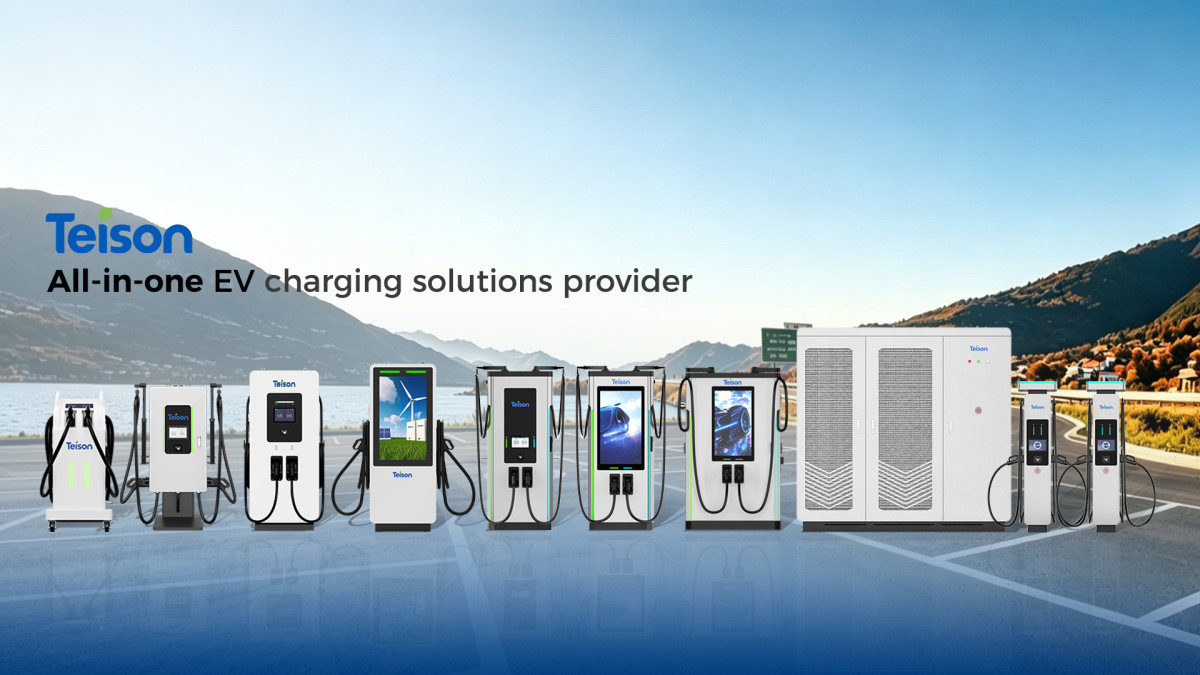
For example, Teison's high-power DC split charging architecture can provide up to 1.2 MW of total charging capacity, with power dynamically distributed among multiple charging terminals.
This architecture is particularly suitable for:
- Fleet depots
- Highway charging hubs
- Logistics centers
- Ports
- Industrial parks
A split system separates the power cabinet from the charging dispensers, allowing multiple vehicles to share centralized power conversion equipment.
This approach can provide greater flexibility when a charging site needs to expand from a small number of vehicles to a larger commercial fleet.
The Future of Heavy-Duty EV Charging
The transition to electric heavy-duty transportation requires charging infrastructure that can deliver more power without compromising safety, reliability, or operational flexibility.
MCS is designed to address this challenge by combining:
High Power + Intelligent Charging + Advanced Thermal Management + Vehicle Communication + Smart Energy Management
As electric trucks and buses become more common, megawatt-level charging infrastructure will become increasingly important for high-utilization commercial transportation.
Conclusion
The Megawatt Charging System (MCS) is a next-generation high-power charging solution designed for heavy-duty electric vehicles.
By enabling megawatt-level power delivery, intelligent communication, advanced thermal management, and scalable charging infrastructure, MCS can help reduce charging downtime and support the electrification of long-haul transportation, logistics, buses, ports, and industrial fleets.
For fleet operators, the future of EV charging is not simply about installing more chargers. It is about building an integrated energy and charging ecosystem capable of delivering the right amount of power at the right time.
MCS is helping make that future possible.
SEO Keywords
Primary Keywords
- Megawatt Charging System
- MCS charging
- What is MCS
- MCS EV charging
- Megawatt EV charger
Secondary Keywords
- MCS charging system
- MCS electric truck charging
- Heavy-duty EV charging
- Electric truck charging
- Megawatt charging infrastructure
- MCS vs CCS
- 1.2MW EV charging solution
- Fleet charging infrastructure
Long-Tail Keywords
- What is the Megawatt Charging System and how does it work
- How does MCS charging work
- MCS charging for electric trucks
- Megawatt charging system for heavy-duty EVs
- 1.2MW MCS charging solution for fleets
- MCS vs CCS charging
- High-power EV charging for commercial fleets
Related Posts
- ISO 15118 and OCPP for V2G: How EVs, Chargers and Charging Networks Communicate
- 8,833 Battery Electric Vehicles Registered in Malaysia in August 2026
- Why 1.2MW Charging Requires Smart Energy Management
- What Is the Megawatt Charging System (MCS) and How Does It Work?
- Teison Is Heading to IAA TRANSPORTATION 2026!