
In addition to DC input, it also supports AC charging input. The unit can connect to industrial three-phase power, commercial facilities, parking structures, depots, or temporary site power. This flexibility reduces grid dependency and avoids heavy civil construction, making mobile EV charger solutions highly suitable for infrastructure-constrained or rapidly growing markets.
When integrated with intelligent dispatch systems and autonomous mobility platforms, a mobile charger evolves into an EV charger robot — capable of on-demand navigation, automated charging delivery, and 24/7 smart operation. This represents the future of smart city charging, distributed energy systems, and automated fleet electrification.
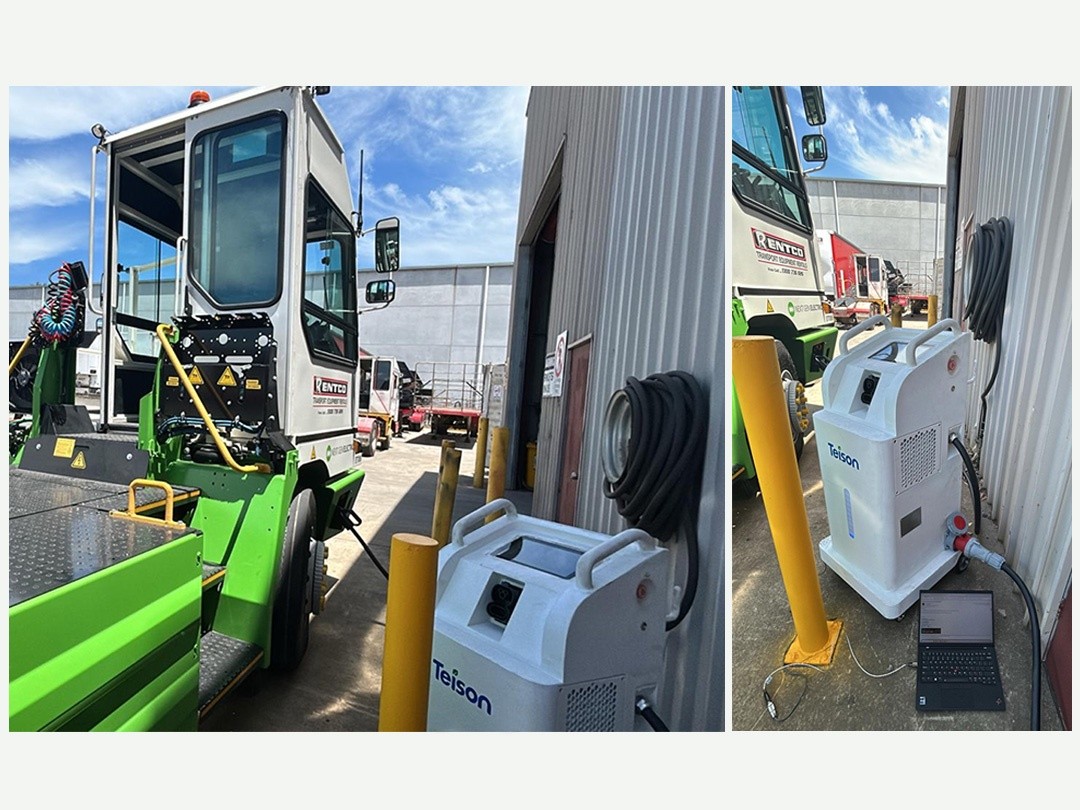
Compared with fixed charging stations, Teison smart mobile EV charger solutions provide:
• Rapid deployment without grid upgrade delays
• Lower initial CAPEX
• Scalable infrastructure expansion
• Flexible revenue models
• On-demand charging capability
• Support for fleet and emergency charging
Mobile energy storage + intelligent scheduling + flexible deployment = the future of EV charging infrastructure.
If you are exploring mobile EV charger solutions, EV charger robot deployment, or fleet charging optimization, feel free to connect with me to discuss technical specifications, case studies, and partnership opportunities.
Related Posts
- Why Europe Needs More 480kW+ EV Chargers
- Brazil's New Energy Vehicle Sales Hit Record High Chinese Brands Dominate Top Three Spots for Hybrid and Pure Electric Vehicle Sales
- Accounting for over 80% of imports: Chinese EVs gain popularity in Jordan
- Integrating 10% of California's electric vehicles into V2G systems by 2036 could meet one-third of the state's energy storage targets.
- US Media: Chinese Electric Vehicles Accelerate Global Expansion